Español
 Français

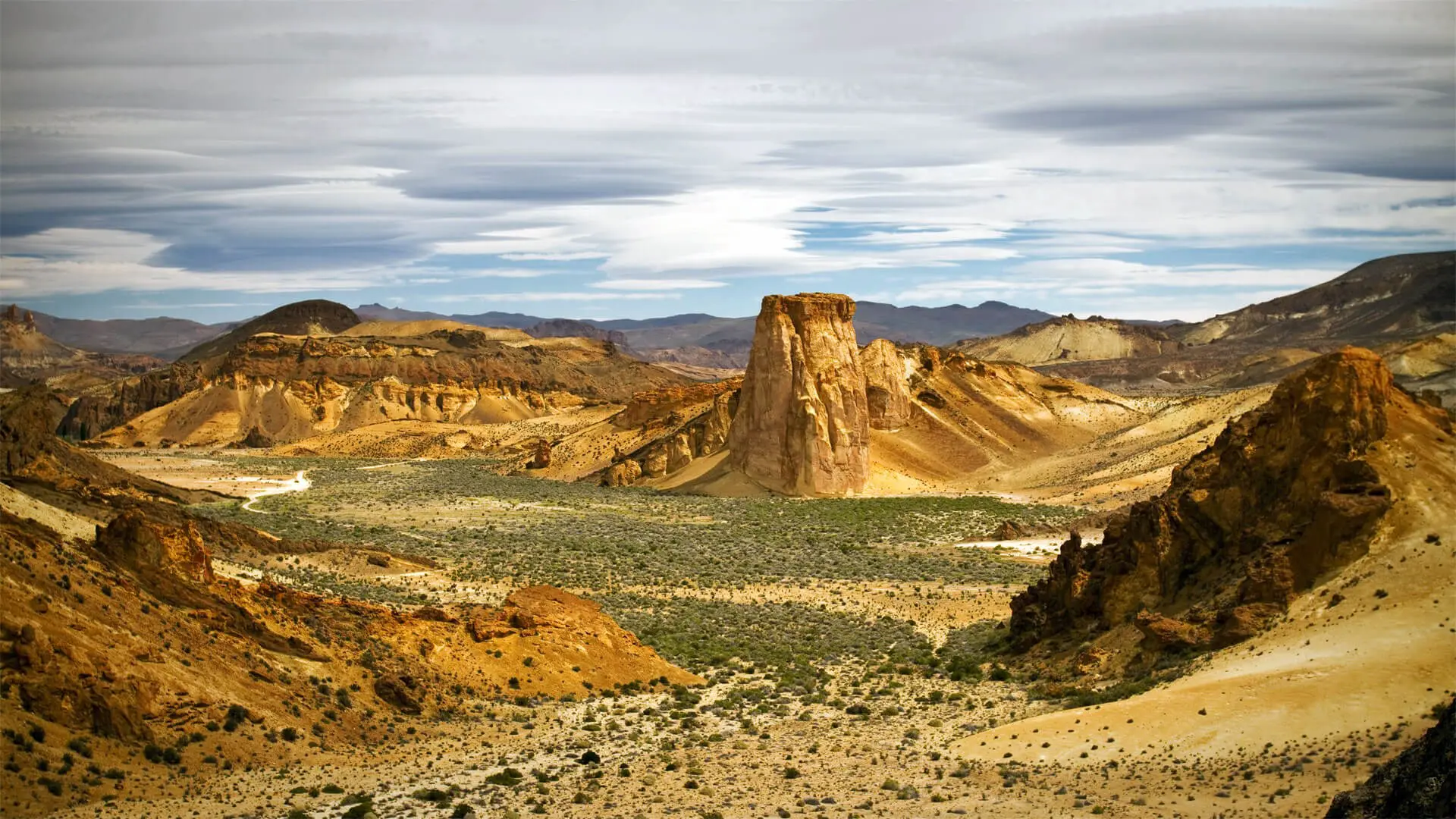
Argentina spans many latitudes, from the sub tropical to the sub antarctic, making it the world’s favorite terrain for experiencing biodiversity all year round. Argentina is a country of great space, where nature is Queen. It’s the second largest country in South America and the eighth largest in the world, a country that has the dimensions of a continent. All the climates of the world are represented there. When we specify that its population reaches around 40 million inhabitants distributed 90% in urban areas, we then become aware of the extent to which nature and fauna are omnipresent and appropriate the space
With its culture, its history, the diversity of its populations and its landscapes, Argentina deserves more than just a visit. From the mythical Iguazu Falls to Buenos Aires, the capital of tango, from the deserts of the North-West to the rich plains of the Pampas, the immensity of Patagonia, this end of the world that leaves an indelible mark on us, the country astonishes, charms, and sometimes also moves. And ultimately only reveals itself to chance encounters. I invite you to explore the map of Argentina.
Argentina is also this immense piece of Europe, transferred to South America. A promised land, which has sometimes proven capricious, but where the myth of America has remained alive. If Tango is indissolubly linked to Buenos Aires, the Gaucho is always associated with The Pampas “La Pampa”. Then come a thousand differences, a thousand discoveries, a thousand nuances, which make Argentina a unique land.
Argentina is synonymous with adrenaline!
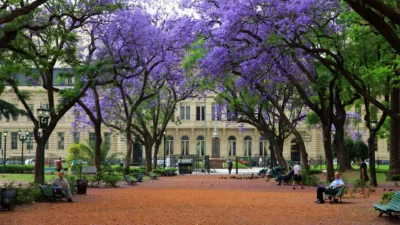
Your first introduction will surely be Buenos Aires, which alone totals a third of the country’s population… The Argentine capital, very cultural with its theaters, cinemas, exhibitions and the ever-present Tango. There is incredible diversity in Argentina, illustrated by the mountain ranges of the Andes which are home to Aconcagua, the highest peak in the Americas ; by La Pampa, one of the most fertile lands on the globe; the widest river in the world: La Plata, vast, endless plains whipped by the winds; by the tropical forests of Misiones which border Brazil, and by the Tierra del Fuego, a southern expanse which leads to the end of the world.
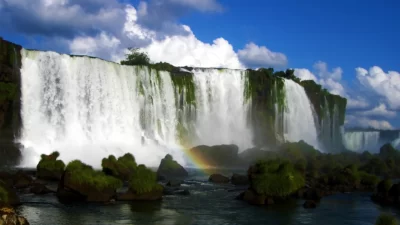
The Argentine Northwest, which brings us closer to Bolivia, is a fascinating region that will captivate all travelers, even the most “jaded”… And travel to the Northeast, in Mesopotamia Argentina, a journey through time, culminating at the Iguazu Falls, certainly the most beautiful waterfalls in the world.
Argentina has a common “natural” border of nearly 4,000 kilometers with Chile: the Andes, the backbone of the South American continent. Nature is strong, harsh and hostile; it makes us humble and returns us to our little condition as human beings. Travel to these lands is to want to find yourself with yourself, faced with so many unanswered questions.
In the heart of the country
The Pampas have contributed much to Argentina’s fame. Today, the country’s economy is largely indebted to these extremely fertile alluvial plains that were once the kingdom of the legendary Gauchos.
The vast plain of the Pampas is divided into two distinct areas: the Pampa seca (“dry Pampas”) and the Pampa húmeda (“wet Pampas”). The dry or arid Pampas is located in the west of the country, where the climate is arid due to the presence of the Andean chain.
Further east, the humid Pampa extends mainly in the Province of Buenos Aires. Many large landowners own an Estancia there, sometimes reaching hundreds of thousands of hectares! This is hardly surprising since we are in the land of superlative…
Patagonia
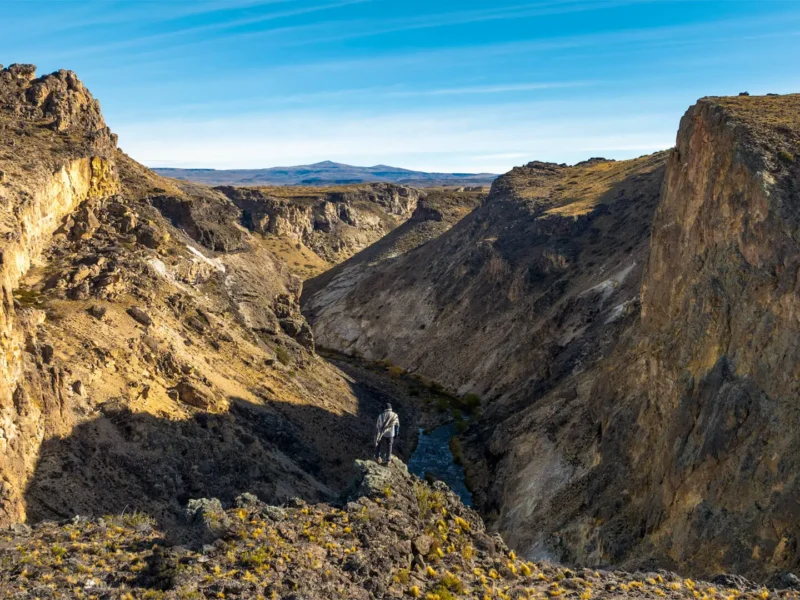
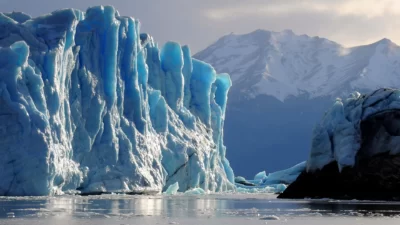
In the very south: Patagonia, land of superlatives, a dream common to each of us, just the word “Patagonia” triggers an unreasonable madness, which takes us far from our daily lives, into a imaginary and mysterious world specific to each of us. In Patagonia (region shared with Chile), there’s less than one inhabitant per km², it’s almost twice that of France with the equivalent of the population of Alsace. This end of the world is certainly home to some of the last untouched places on our planet.
Climate
Such a vast country necessarily offers a great diversity of climates and, while most of Argentina falls within the temperate zone of the southern hemisphere, the fact remains that from the Brazilian border to Tierra del Fuego, the climate changes from tropical to subantarctic. Overall, the Atlantic and Pacific oceans moderate the temperatures in these regions. The Andes mountain range, which runs from north to south in the western part of the country, also has a significant impact on the climate, as it considerably reduces the precipitation coming from the Pacific.
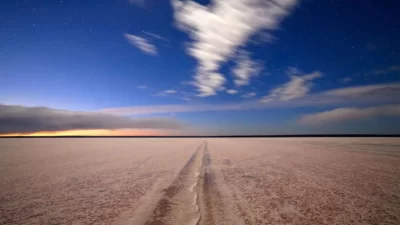
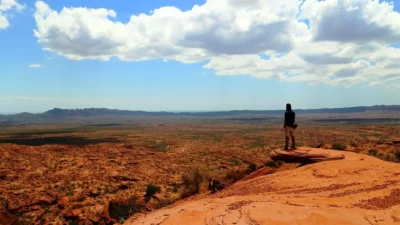
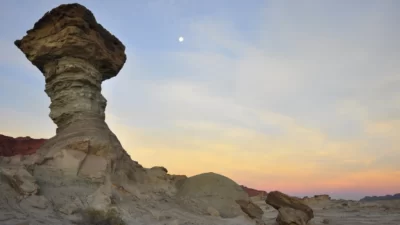
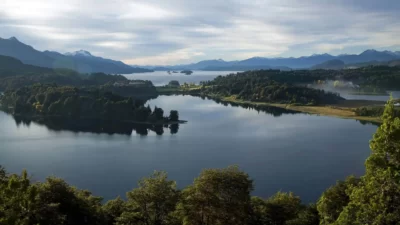
The great plurality of reliefs and climates has as a corollary a particularly varied landscape. The country can thus be divided into six geographical zones: the fertile pampas in the Center, the marshy Mesopotamia in the Northeast, the immense forests of the Chaco region in the Center-North, the arid highlands in the Northwest, the desert peaks in the West and, finally, Patagonia and Tierra del Fuego in the Southeast.
This world can be very real and I can help you to know it…
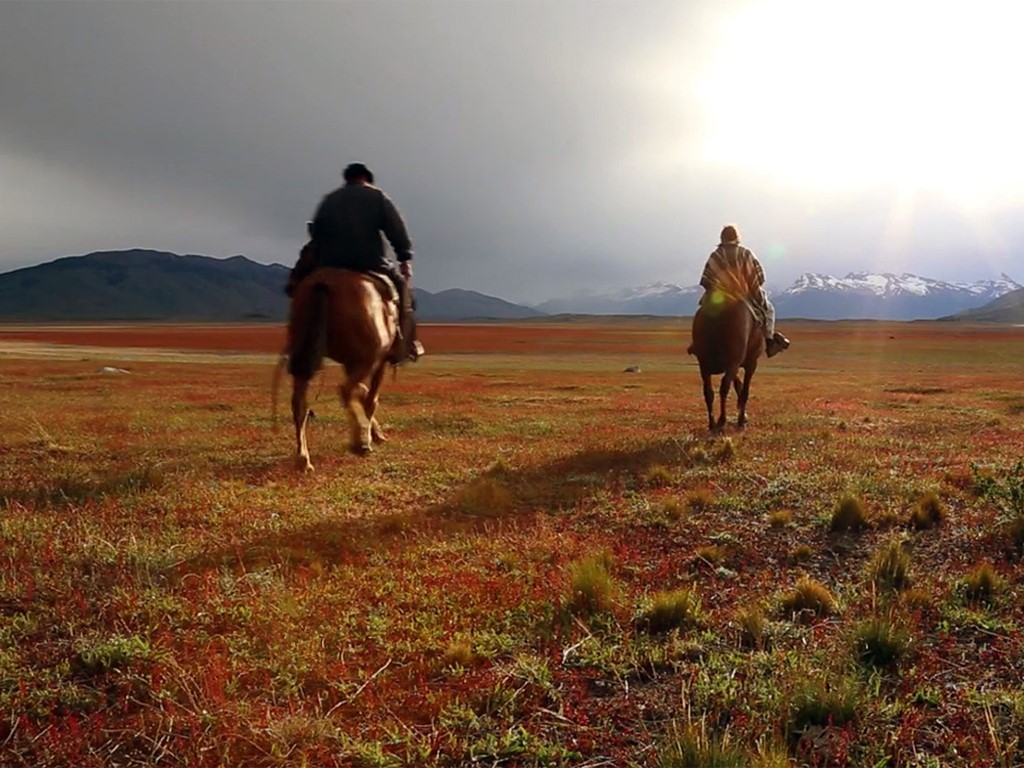
Discover Argentina in 5 minutes!
“Argentina with my Mate, my Poncho and my Charanguito…” Discover the four corners of the country, its breathtaking and contrasting landscapes. From north to south, as well as from the Atlantic to the Cordillera de los Andes.