
 Español
 Français

As I write this, about twenty years have passed since I chose to live here in Patagonia. I know now that everything is in balance, moreover, Jean Raspail considered Patagonia as “a second homeland, the refuge homeland of those who believe in transcendence, in the need to elevate their thoughts”… Everything is said.
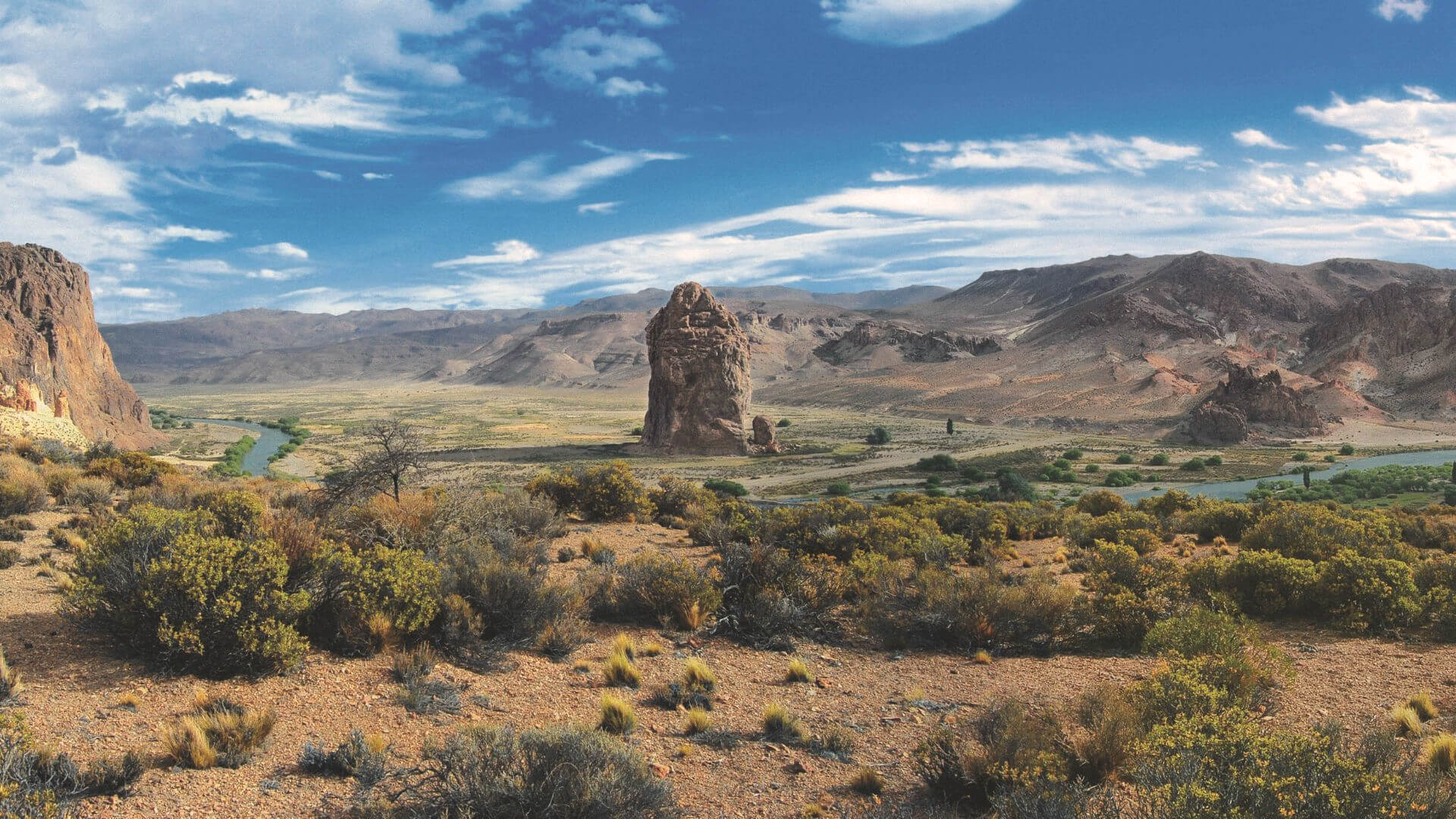
It’s the last land inhabited by humans, the dead end of South America. A vast, grandiose region, still wild, an “end of the world” that is undoubtedly among the most beautiful places on the planet. It fascinates explorers and scientists as well as travelers in search of a change of scenery and rejuvenation. Nowhere else does this feeling of being vertical to what every human being needs exist: freedom and silence.
The century of cities
Humanity has gone from one billion human beings to eight billion in one century. The 21st century will be the century of cities. Today, nearly 60% of humans live in cities. The urban landscape is already the living environment of the majority of humanity and mega cities are taking up more and more weight on the world map.
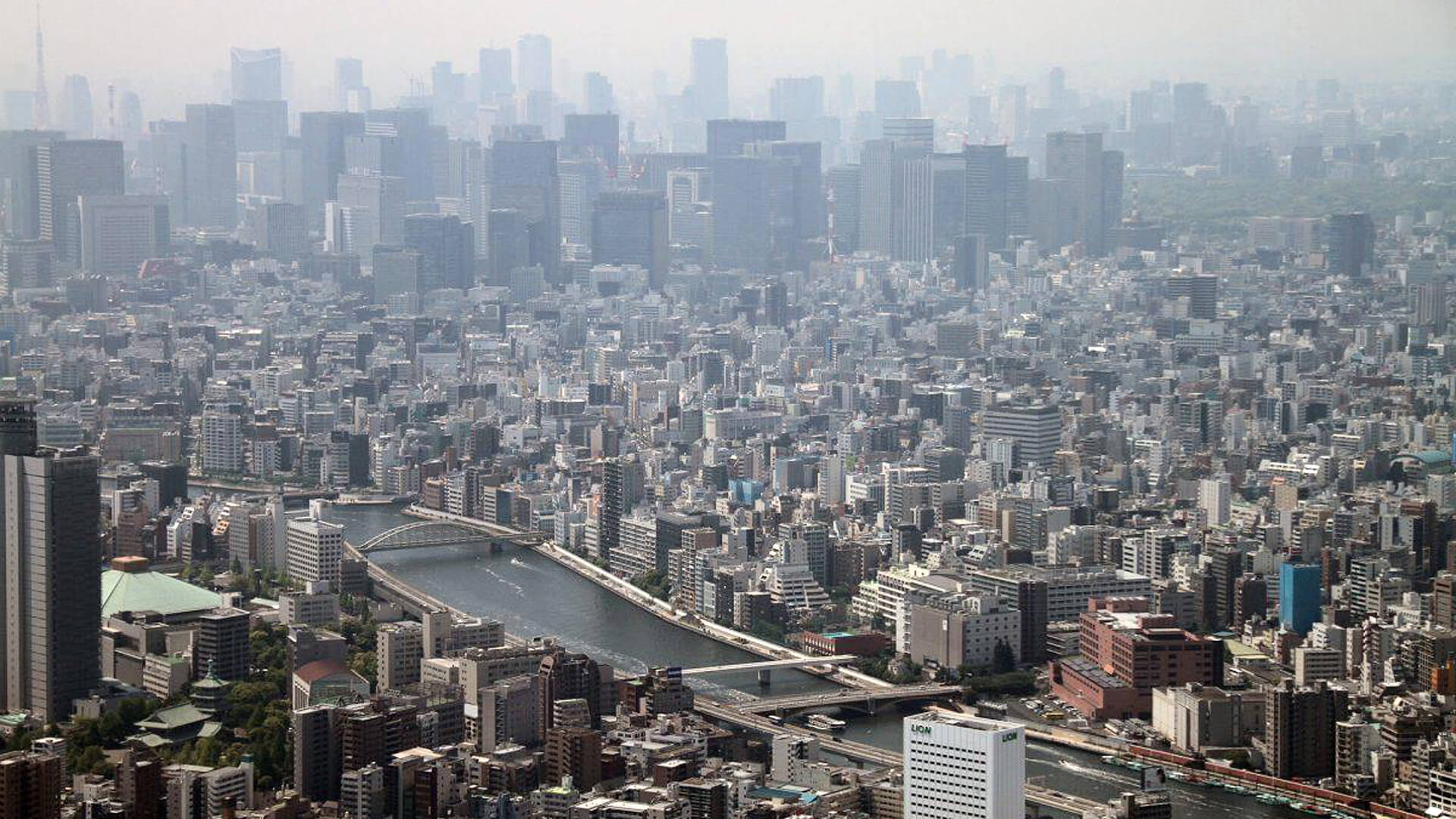
By 2050, the proportion of urban dwellers is expected to reach 75-80%. This process of urbanization often results in anarchic development and frightening human, health and ecological conditions.
Paris, with its 2.2 million inhabitants within its walls and its agglomeration of 10 million inhabitants, is a dwarf on a global scale. The Chinese, for example, have plans to build a megalopolis of 100 million inhabitants called Jing-Jin-Ji around Beijing, the capital.
The craziest and most unnatural projects, such as in Saudi Arabia, the future mirror city “The Line” which should house more than nine million people. A mirror wall 170 kilometers long, 500 meters high and 200 meters wide, all in the middle of the desert…
The city tends to swallow everything up in its fever. We move at high speed through the streets, without even seeing the sky, covered with billboards, artificial lights. The horizon that is blocked by buildings is a simple illusion for many.
In this world, contact with nature, with resources, with the vital, with the bare necessities, with the wild world is far away. Overcrowded urban areas are today the most affected by pandemics, which could mark the advent of a new cosmopolitanism. Large cities have always been the epicenters of infectious diseases.
For many, cities have become absurd prisons where people reside for the sole purpose of earning enough money to be able to afford to live there. Yesterday, people paid a lot per square meter for the privilege of being squeezed in among their peers. Tomorrow, we might instead buy the privilege of being away from others…
Nature and wild thinking
To escape the trap of industrial productivity and demographic madness, Humanity must rethink its relationship with the world, via a return to the sources of wild thought.
We all fundamentally need to walk in the heart of a forest, to contemplate the horizon, to camp on the edge of a lake, to climb a mountain, to listen to the silence, to reconnect with the essential and simple things in life, in order to feel whole, true.
Nature is the only partner in a relationship of giving, of the sacred, it soothes us, transforms us… The love of nature dates from childhood, from the dazzlement facing the sky, a river, an imaginary ocean, the attraction to the natural infinite. From our youngest age, it becomes this partner of existence, this other who allows us to evolve.
Every man has the need at some point in his life to go deep within himself and accept what he is. This journey into oneself requires a lot of courage, one must accept oneself in order to then be able to open up to others.
Nature is the place of profound transformation, whether in an experience where the individual finds himself alone in the middle of the ocean, for example, or in an extraordinary encounter with a wild animal.
Nature is one of the triggers of the transformation process, it’s also the place of rejuvenation. Being in harmony with Nature means respecting it since our own nature joins Nature. Everything is linked.
The last refuge
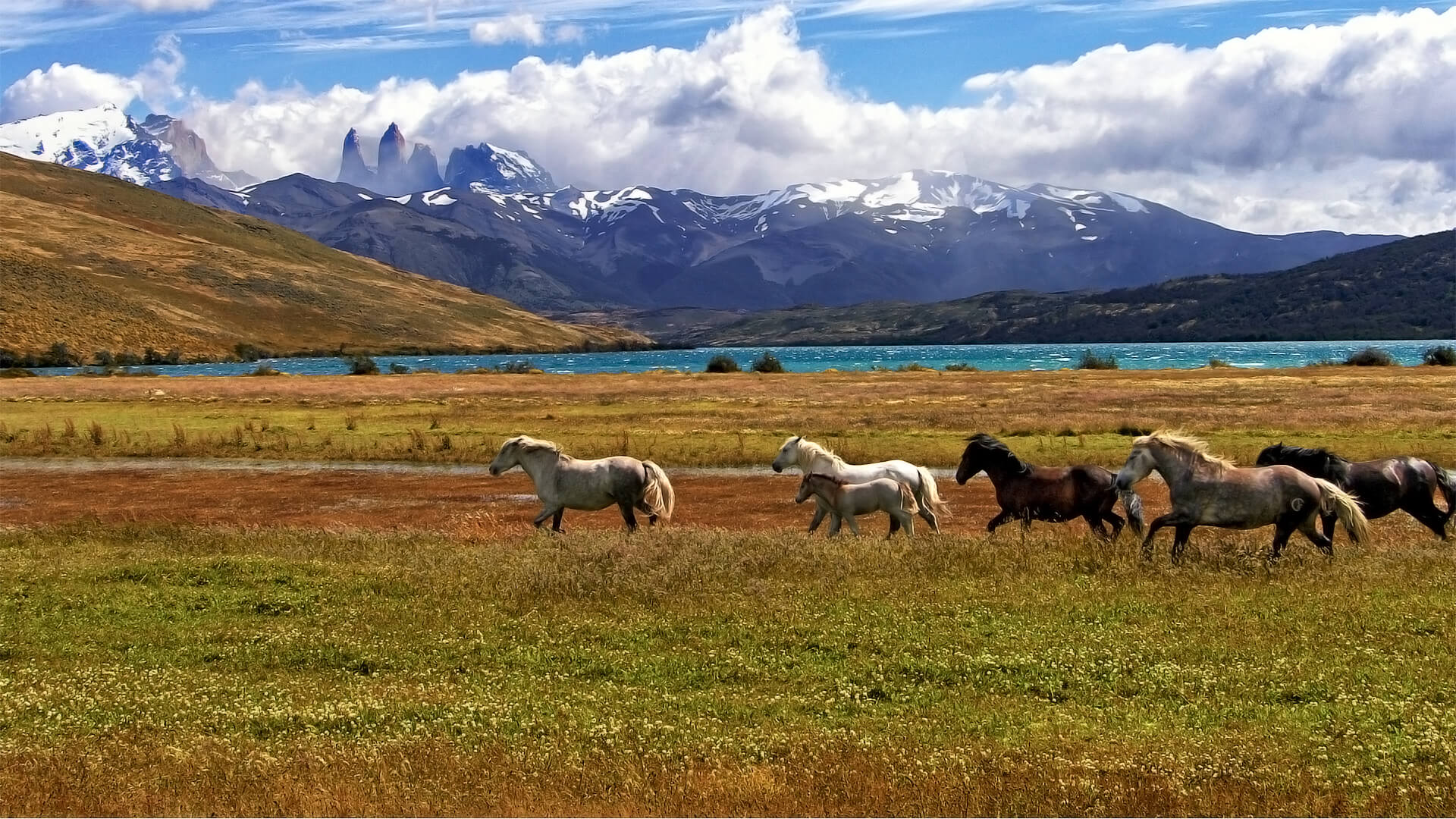
Patagonia is the symphony of the elements, the song of the world. And what more beautiful place on our planet to immerse yourself in such pure and intact nature as a whole? Here, the strength of the landscapes is to be faithful to their reputations.
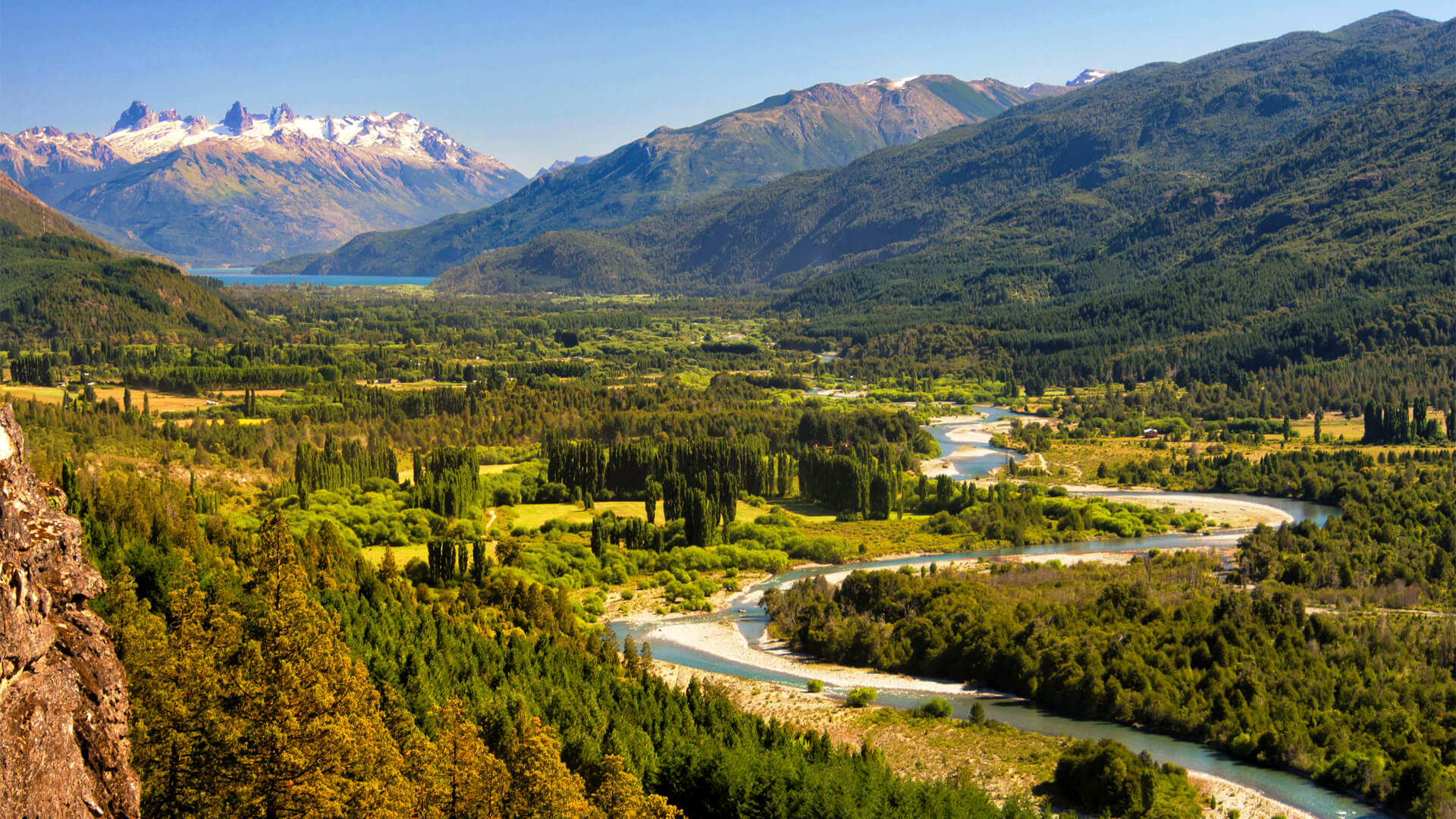
Some men, in search of remote lands, have searched all our lives across seas, mountains, plains; an encounter with themselves. It seems obvious when looking at a globe, Patagonia could be the last refuge, for all these men in search of an inner exile.
This territory, far from all others, located south of the 40th parallel south, between the 65th and 75th meridians west, is fortunate to enjoy extreme climatic conditions to curb humanity’s appetite.
It’s a bit like the Eden of our planet. Almost everything is abundant. Here are the largest fresh water reserves in the world, oil deposits and large gas reserves. Patagonia offers exceptional landscapes of mountains covered with glaciers, steppes, coniferous forests and lakes, while the jagged coastline is made up of a multitude of fjords, bays and impressive straits.
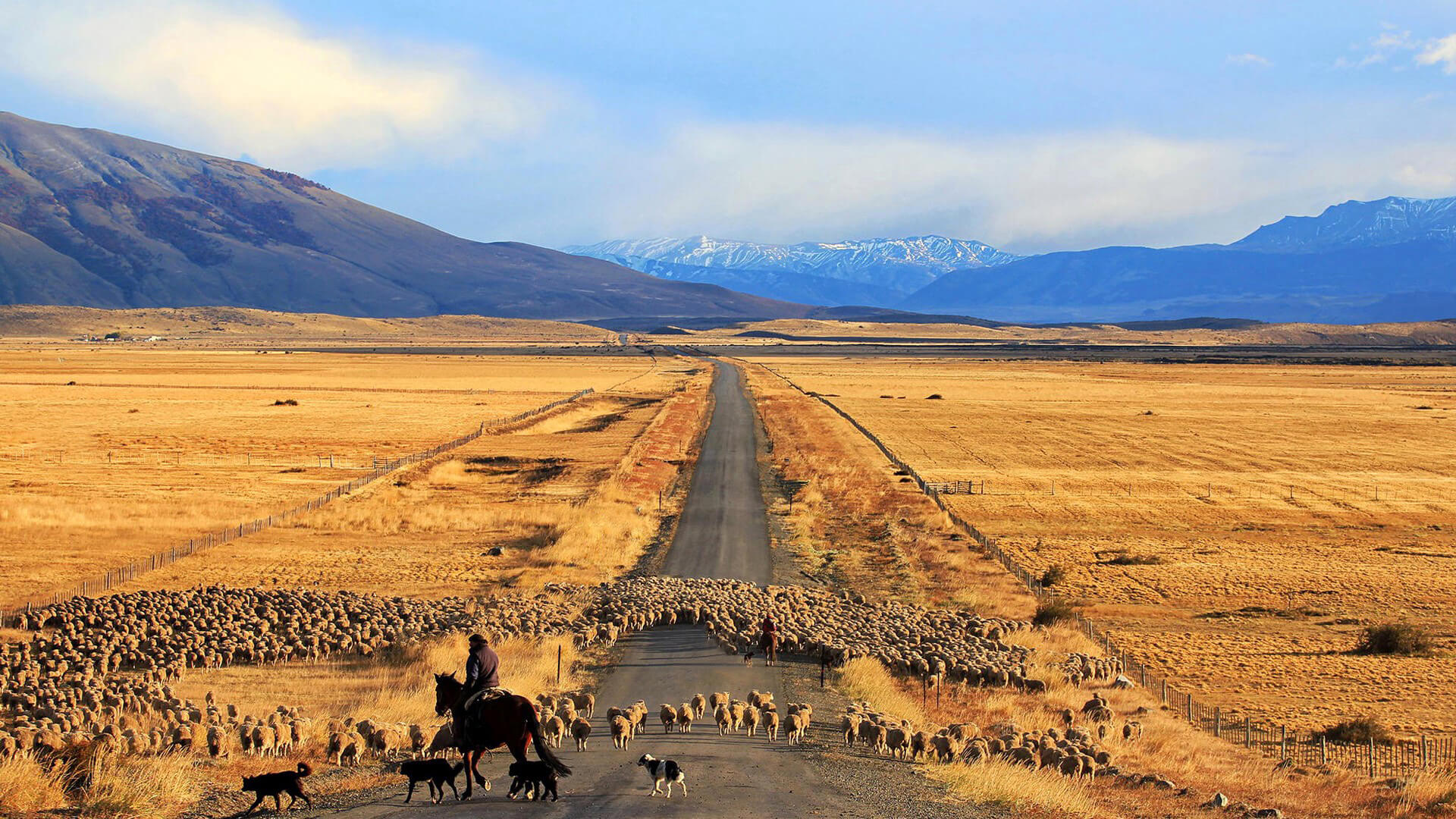
At the bottom of the valleys are estancias, they extend over thousands of hectares. The cattle roam there in quasi-freedom, they are gathered once a year – the sheep for shearing and the cows to proceed with the marking of the calves – Between these islands of life, there’s nothing.
Patagonia is also and above all the last refuge for many animal species:
- The condor, king of the Andes, which soars like a scout over the peaks of the Andes mountain range, scanning the wide open spaces. It’s the largest bird in the world.
- Whales, which alone are the symbol of animal life; humpback whales in the waters of the Strait of Magellan, Tierra del Fuego, Antarctica; southern right whales that can be easily observed on the coasts of Peninsula Valdes; blue whales, which thrive in the Pacific waters south of Chiloé Island.
- At the top of the food chain are the orcas, which can be seen hunting disoriented prey.
- And finally, the Puma, a furtive and solitary feline, which is so difficult to observe.
But Patagonia has always been a refuge for highwaymen, outcasts of all kinds, high-ranking Nazi officials, corrupt politicians, but also for enlightened dreamers like Antoine de Tounens, millions of European immigrants, lonely gauchos, writers, explorers, multitude of unknown people lacking authenticity and fleeing conformism, and so on…
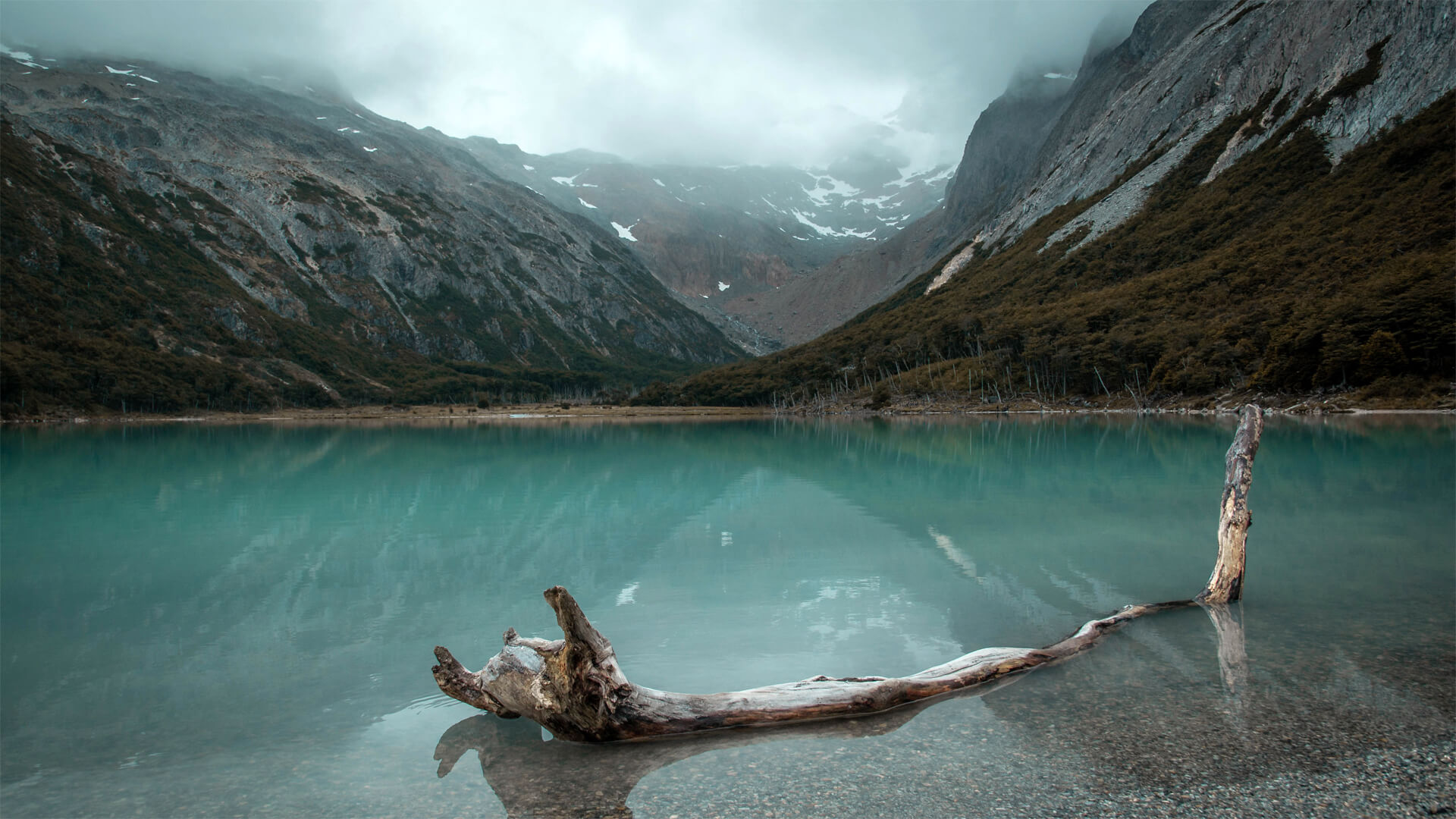
The Chilean writer Francisco Coloane wrote: “Everything here seems dead, it looks like the birth or the limit of an unknown planet”.
I am lucky to live here, in Patagonia, my last refuge, in permanent contact with Mother Nature, in the middle of the elements, in harmony with the senses… Like a wild man in the mists of time.